
Whoa, this wallet actually surprised me. I installed the extension on Chrome and Firefox quickly. The interface felt clean, and switching chains was intuitive right away. At first I assumed it would be just another wallet that made promises about multi-chain convenience but then fell short when gas optimization or token approvals mattered, though that wasn’t the case here. My instinct said this could actually change day-to-day DeFi UX by shifting how users manage approvals, gas, and cross-chain swaps in routine flows.
Seriously, that was unexpected. I’m biased, but user security features stood out to me. Notification controls, approval summaries, and isolated gas suggestions reduced cognitive load. Initially I thought it might sacrifice usability for security trade-offs, but actually the design balances both, presenting complex permissions in a digestible way while keeping advanced options accessible for power users. On one hand that balance felt rare in other extensions and often required tradeoffs between simplicity and the precise controls power users demand, which Rabby navigates thoughtfully.
Hmm… this part bugs me. There were small rough edges in the mobile pairing flow though. I had to retry connection twice before it recognized my device. Actually, wait—let me rephrase that: the issue seemed intermittent and likely tied to my wallet firmware plus network congestion, not a fundamental flaw in the extension itself, so context matters. My takeaway was cautiously optimistic after a bit of troubleshooting, and that cautious optimism grew as recurring issues disappeared with updates.
Really? Yes, really. The multi-chain token swap flow felt faster than I expected. It surfaces best-route options and lets you preview fees clearly before signing. On the engineering side there are clever UX choices, like grouping approval types and showing on-chain ramifications inline, which reduces accidental approvals and keeps novices safer without boring seasoned traders. That mix made me trust it more quickly than usual, especially when I saw consistent handling of edge cases during heavy network activity.
Here’s the thing. There are tradeoffs, especially around extension permissions and API exposures. Rabby provides granular approval controls, but you still need to be careful with connected sites. On one hand granular controls are empowering, though actually they can confuse average users who want a simple toggle, so wallet education and clear defaults become mission-critical in adoption. I’m not 100% sure how every user will handle that, and onboarding UX will likely need iterative refinement based on real-world behavior data.
Whoa, gas savings mattered. Rabby suggests gas optimization and warns on duplicate approvals in real time. Those nudges reduced my tx costs over a week of testing. My instinct said that small UX nudges wouldn’t change spending patterns significantly, but behaviorally they did, since repeated prompts and aggregated histories helped me avoid costly mistakes that had tripped me up before. If you care about DeFi gas management this will be useful and could materially lower transaction costs over time through smarter defaults and clearer prompts.
Okay, quick aside. The team offers frequent updates and changelogs visible in the extension. Community feedback seems active on Github and social channels. Initially I thought support responsiveness might lag, but after reporting a tiny bug the maintainers replied within days with a patch and an explanation, which matters for trust when real funds are involved. I really appreciate that responsiveness and transparency from the team, because a proactive maintainer community reduces risk and accelerates fixes for emergent vulnerabilities.
Somethin’ felt different. The UX borrows from consumer apps while keeping crypto-first features prominent. It made onboarding less painful for friends new to DeFi. I walked a backgrounded friend through approving a token on his first try, and that experience underscored how clear phrasing, grouped permissions, and sandboxed previews can reduce anxiety and mistakes for newcomers. That gives the product real potential for mainstream adoption, assuming the team continues focusing on onboarding clarity and cross-chain liquidity partnerships.
Hmm, some caveats remain. Not every chain is supported equally in terms of tooling. Layer-2s and newer chains sometimes lacked swap liquidity or reliable price feeds. So while Rabby shines as a multi-chain wallet in many respects, advanced traders will still occasionally need dedicated bridging tools or DEX aggregators outside the extension’s UI, which is fine because composability remains the strength of DeFi. I expect that to improve over time with ecosystem integrations, but timelines vary by chain and depend heavily on third-party liquidity and indexing services.
How to get started safely
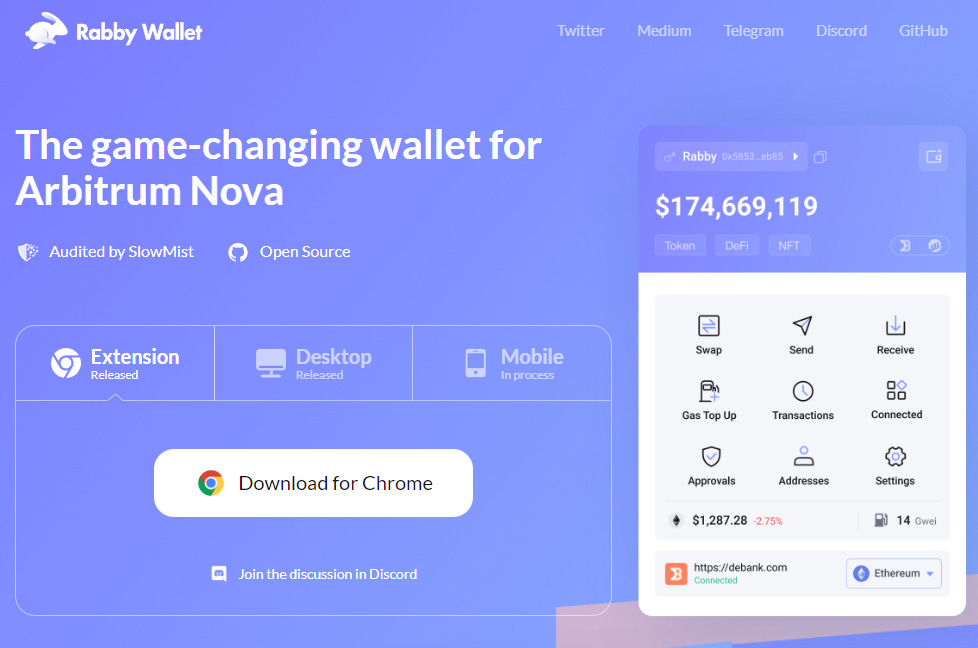
Seriously, install carefully. Get the extension from trusted sources and verify signatures when possible, cross-checking repository fingerprints and extension publisher details before you proceed with a setup. For a straightforward start, use this official page for a safe rabby wallet download. Make sure to back up your seed securely, avoid pasting it into unknown sites, and prefer hardware wallet integrations where available, because human error remains the leading cause of loss in crypto right now. This step will reduce most preventable risks for everyday DeFi users.
I’ll be honest, I’m leaning in. For power users it checks many boxes for day-to-day DeFi workflows. That includes swaps, approvals, gas nudges, and chain switching without fuss, and it’s all presented in a way that reduces cognitive overload for new users while retaining power features. Though no wallet is perfect, and you should still apply standard precautions like verifying sites, using hardware wallets for large holdings, and updating extensions regularly to avoid exploits that evolve over time. Overall I walked away impressed and slightly relieved by its practical design.
FAQ: quick answers.
Is Rabby wallet extension safe for daily DeFi use?
It offers strong security defaults, granular approvals, and active maintenance from the team.
What precautions should users take before connecting sites to their wallet?
Back up your seed phrase offline, use hardware integrations for significant balances, scrutinize approval scopes, revoke unused permissions, and never approve transactions you don’t fully understand, because social engineering and clever phishing remain active attack vectors.